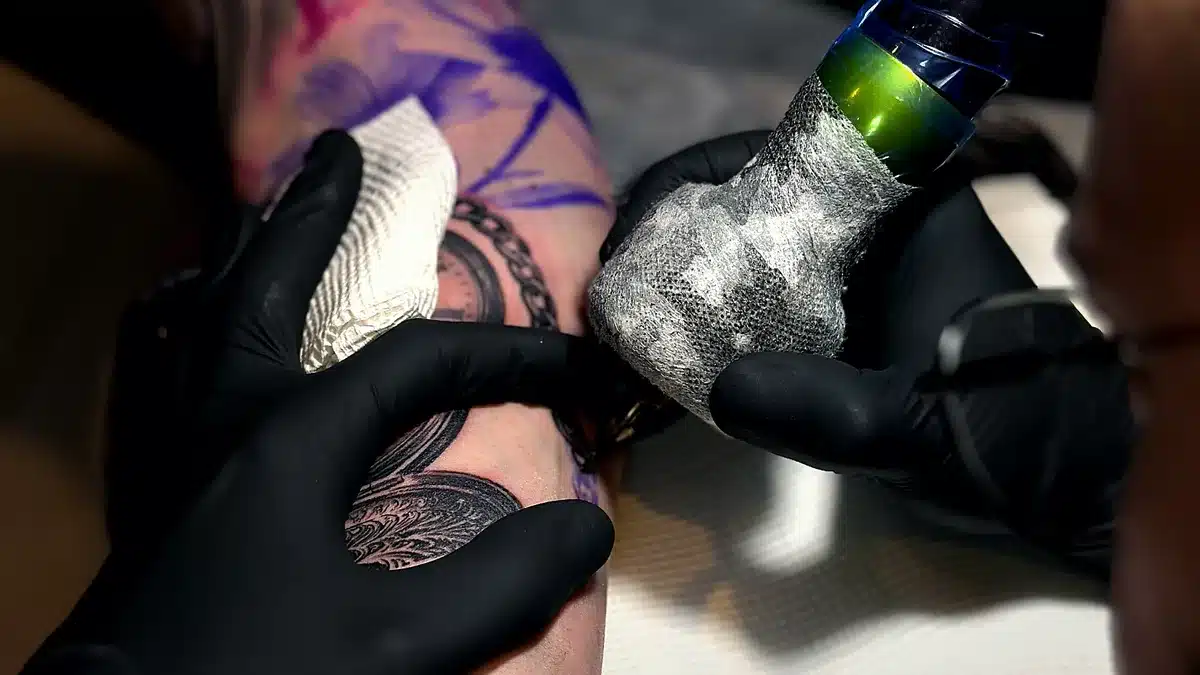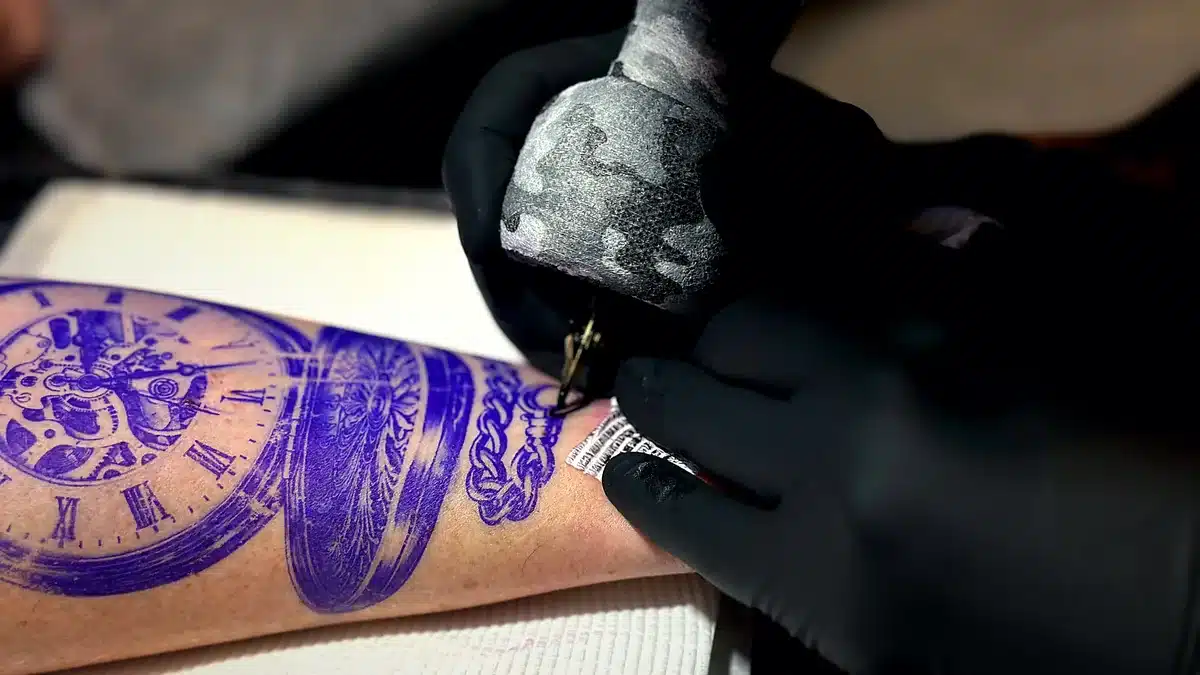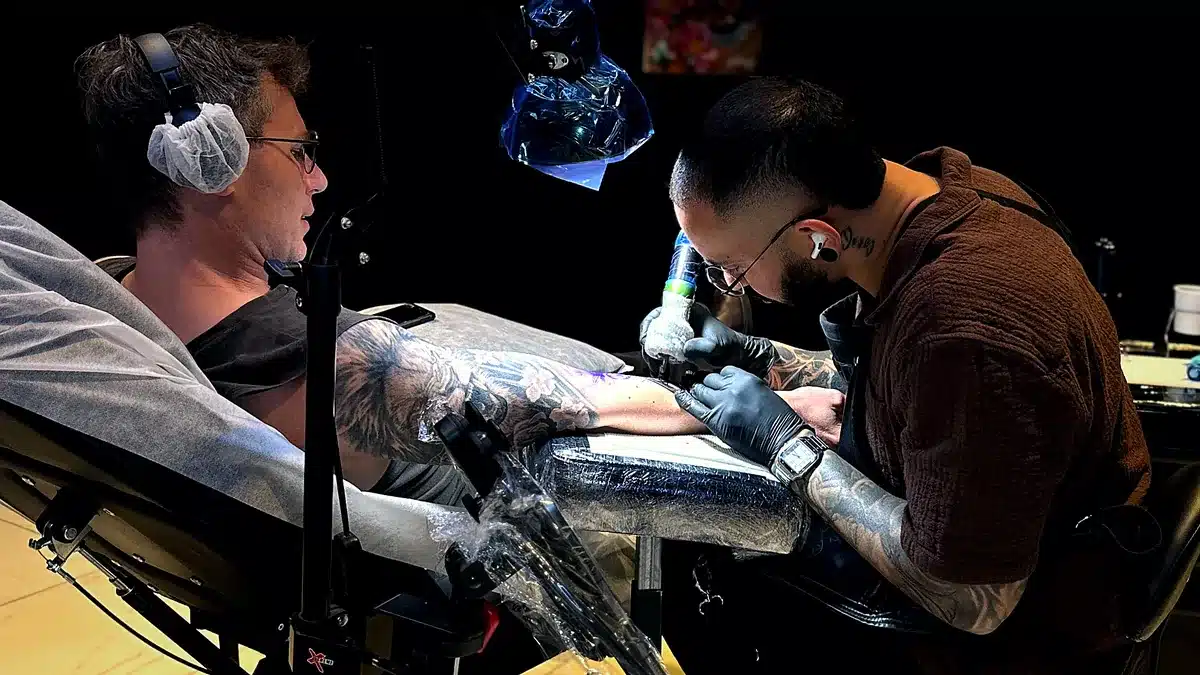
Let’s talk about the question many people are too shy to ask: how much does it hurt? Realism tattoo pain is a real worry, especially when you know your piece needs long sessions. Maybe you have never had a big tattoo before. Or maybe you had a small one, and you wonder if a five hour session will feel completely different.
First, I want you to know something. Being scared of pain does not make you weak. Almost every client feels some anxiety before a big session. In this article, I will be honest about realism tattoo pain, explain why it feels the way it does, and share what really helps people stay calm and strong in the chair.
Quick answer: Realism tattoo pain is usually manageable. Most people describe it as a strong scratch or a hot, stinging feeling. It changes with placement, session length, sleep, food and stress. Good preparation, regular breaks and a calm studio make a big difference.
Why the fear of pain feels so big
Before we talk about the needle, let’s talk about the mind. Often, the fear of pain is bigger than the pain itself. You imagine the worst. You read stories online. Then your body tenses up before we even start.
Here is the interesting part. When you feel tense and anxious, pain usually feels stronger. In contrast, when you feel relaxed and safe, the same feeling becomes easier to handle. So a big part of managing realism tattoo pain is managing the fear around it. Once the fear drops, realism tattoo pain often drops with it.
That is why I care so much about how a client feels in my studio. A calm space, clear communication and trust change the whole experience.
What does realism tattoo pain actually feel like?
Everyone describes it a little differently. Still, here are the words my clients use most:
- Like a strong cat scratch
- Hot and stinging, almost like a line of heat
- Vibration when the needle passes near bone
- Dull ache after a few hours
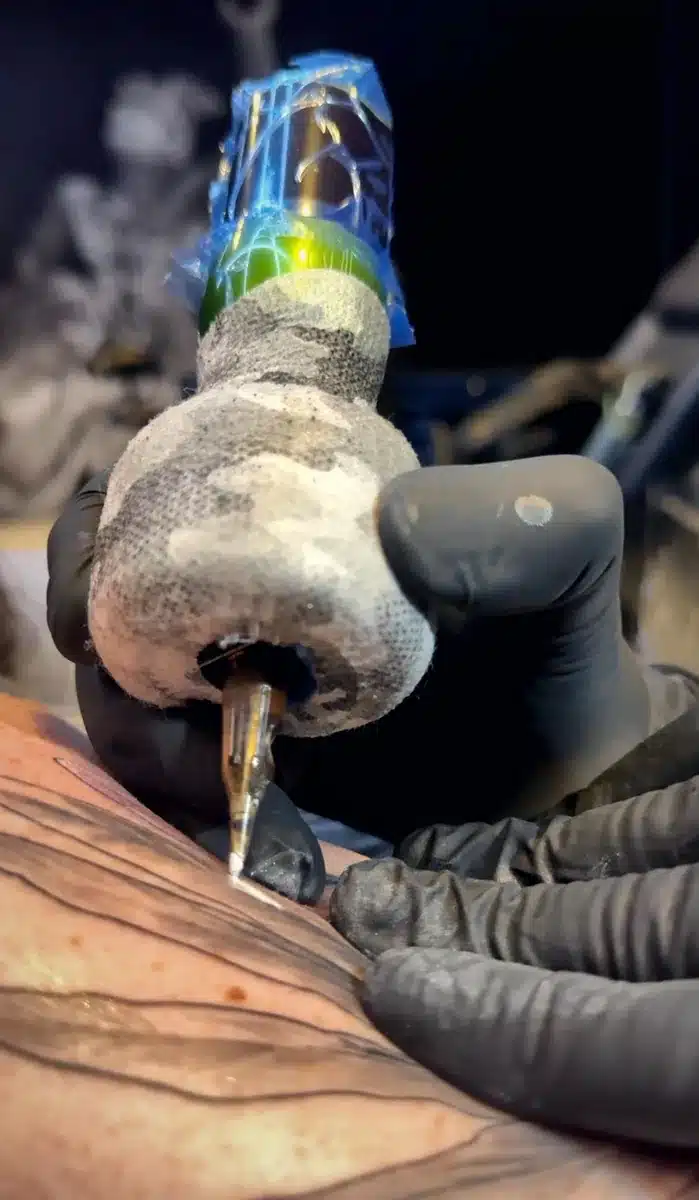
In black and grey realism, a lot of the work is shading. So instead of a sharp line, you often feel a softer, repeated brushing over the skin. Many people actually find shading easier than linework. However, building deep blacks means passing over the same area more than once, and that area can become tender.
Which areas have the most realism tattoo pain?
Placement changes everything. In general, areas with more muscle and fat feel easier. On the other hand, areas with thin skin, bone close to the surface or lots of nerves feel stronger.
Usually, these spots feel easier:
- Outer forearm
- Outer upper arm
- Calf
- Outer thigh
- Shoulder
In contrast, these spots often feel stronger:
- Ribs
- Inner arm and elbow
- Behind the knee
- Spine
- Feet and ankles
Of course, everybody is different. Some clients sleep through a forearm session and then struggle with the calf. Others find the ribs fine. So use this list as a guide, not a rule. Your artist can help you choose a placement that balances the design and the realism tattoo pain you feel ready for.
Why tattoo pain changes in long sessions
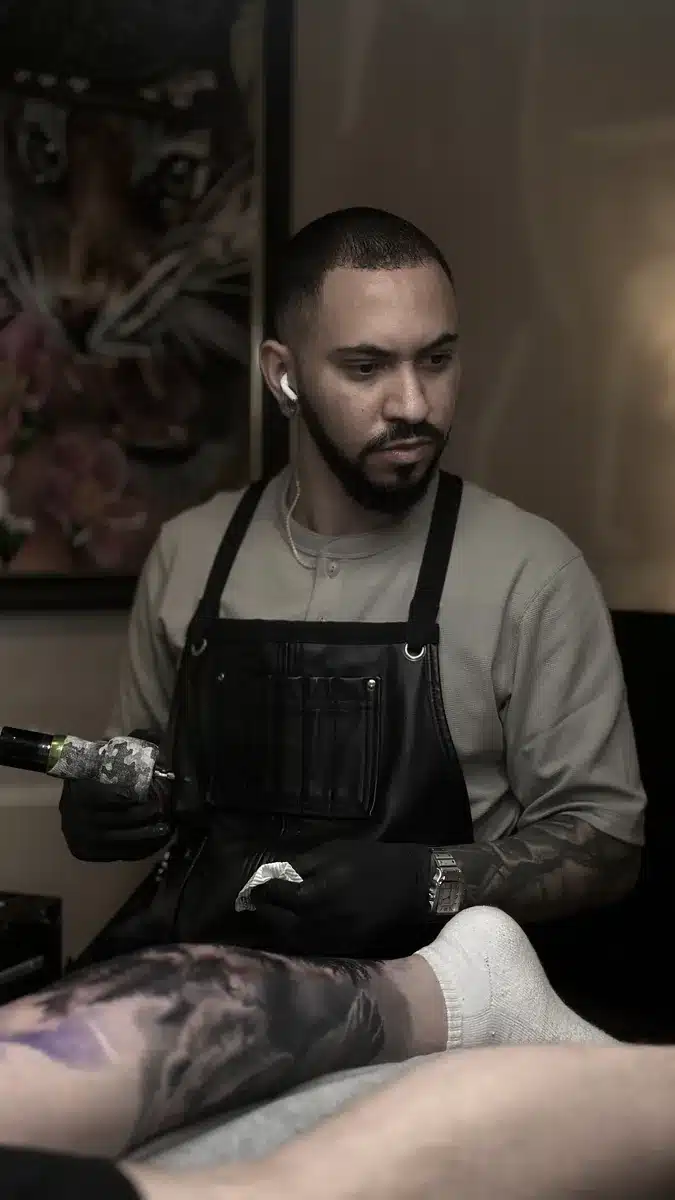
At the start of a session, your body produces adrenaline and natural painkillers. Because of that, the first hour often feels easier than you expect. Many clients tell me, “This is fine, why was I so scared?”
After a few hours, things change. The skin becomes sensitive, and your body gets tired. That is when realism tattoo pain can feel stronger. This is normal. It does not mean anything is wrong.
Here is how I manage long sessions with clients:
- We take short breaks to stretch, drink water and eat something.
- I check in with you often, so you can tell me how you feel.
- We plan big pieces across several sessions instead of forcing everything into one day.
Realism needs time. Rushing to finish in one day often hurts more and gives a worse result. That is why big projects usually take more than one session.
How to prepare your body for realism tattoo pain
Your preparation before the session has a huge effect on pain. Think of it like a long hike. If you sleep badly and skip breakfast, everything feels harder.
Here is what I recommend:
- Sleep well the night before. A rested body handles pain much better.
- Eat a good meal. Low blood sugar can make you feel dizzy and weak.
- Drink water. Hydrated skin takes ink more easily.
- Avoid alcohol. It can thin your blood and make you feel worse.
- Wear comfortable clothes. Make sure the area is easy to reach.
- Bring snacks and a drink. Sugar helps during long sessions.
For a full checklist, read my guide on how to prepare for a tattoo session.
What about numbing cream?
Many people ask me about numbing creams. I understand the idea. However, I do not recommend numbing cream at Washington Tattoo. It can change how the skin reacts and how the ink goes in, and the effect wears off during long sessions anyway.
I explain my reasons in detail in this article: why I don’t recommend tattoo numbing cream. Instead, I focus on preparation, breaks, breathing and a calm environment.
Mind tricks that really help with realism tattoo pain
Your mind is your strongest tool. Here are some simple tricks clients love:
- Breathe slowly. Breathe in for four seconds and out for six. Long exhales relax the body.
- Relax your hands and jaw. People often clench without noticing.
- Use music or a podcast. A distraction gives your brain something else to focus on.
- Talk. Some clients love to chat. Conversation makes time move faster.
- Focus on the result. Remember why you are here and what this tattoo means to you.
Most importantly, tell your artist when you need a break. A good artist wants to know. Speaking up is not a weakness. It is part of working together.
Pain, fear and your first big session
If this is your first large piece, the unknown is often the hardest part. You don’t know how your body will react. You don’t know if you will need many breaks. That uncertainty creates stress.
So let me make it simple. Your first session is a learning session, for both of us. I watch how your skin reacts and how you handle the hours. You learn what realism tattoo pain feels like for your body. After that first day, almost everyone feels more confident. The second session usually feels easier, because the fear of the unknown is gone.
Also, remember this: you are not alone in the chair. Your artist is with you the whole time. We go at a pace that works for you.
What people say after their session
When I ask clients about realism tattoo pain after their first long session, the answers surprise them more than me. Many say it was easier than they expected. Some say the last hour was tough, but worth it. Very few say they would not do it again.
That tells me something important. The fear before the session is usually much bigger than the reality. So if fear is the only thing stopping you, it might be smaller than it feels right now.
The feeling after the session
When the session ends, many clients feel a mix of tired and proud. Some feel a little shaky from the adrenaline. Others feel like they could sleep for twelve hours. All of that is normal.
The tattooed area will feel sore, warm and tight for a few days, a bit like a sunburn. Follow your aftercare instructions closely. If you want to understand what is happening in the skin, read my guide on the inflammation and healing process. Healthdirect also shares general advice about tattoo safety and risks.
Why the pain becomes part of the story
Here is something beautiful I see often. A few weeks after a big session, nobody talks about the pain anymore. They talk about the tattoo. They talk about what it means. Sometimes, they even talk about the session with pride: “I sat for six hours for this.”
The pain is temporary. The tattoo stays. In a way, the effort becomes part of the meaning. You earned it.
FAQ about realism tattoo pain
Not always. Realism uses a lot of soft shading, which many people find gentler than heavy linework. However, sessions are often longer, so the skin can get tender.
It depends on your body, the placement and your preparation. Many people handle several hours with breaks. Big pieces usually take more than one session.
Usually, yes. Areas where bone sits close to the skin, like the ribs, spine or ankles, often feel stronger.
Yes. Always tell your artist how you feel. A good artist will pause, give you a break and, if needed, finish another day.
You are stronger than you think
Realism tattoo pain is real, but it is manageable, and it never lasts as long as the tattoo. With good sleep, food, water, breaks and trust in your artist, most people handle long sessions far better than they expected.
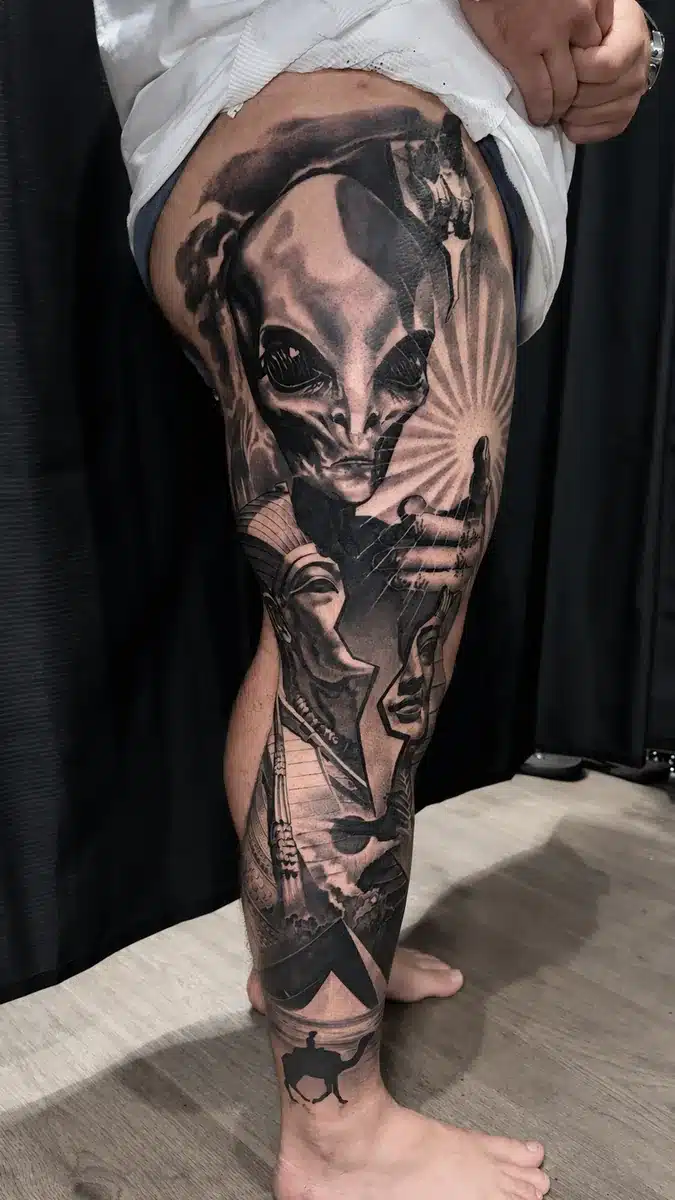
If you want to see what those hours turn into, take a look at my full leg tattoos. And if you have a question about pain, leave a comment below. I read every one.
Washington