“What will my boss think?” For a lot of people, this question is the only thing standing between them and the tattoo they have wanted for years. Visible tattoos at work are a real worry. You love the idea, but you also love your job, your reputation and the life you built. So you hesitate, and the tattoo stays in your head.
If that sounds like you, I understand. In this article, I want to talk honestly about visible tattoos at work. I will share how attitudes have changed, how placement can protect your options, and how to feel confident in your skin. My goal is not to push you either way. Instead, I want you to decide with a clear head.
Quick answer: Visible tattoos at work are far more accepted today than they were years ago, especially for well done, tasteful pieces. Still, rules depend on your industry and employer. Check your workplace policy, choose placement that fits your career, and pick quality work you will feel proud to show.
Why the fear of visible tattoos feels so real
Let’s start with the feeling. The fear is not really about ink. It is about judgment. You worry people will see you differently. Maybe a manager will think you are less professional. Maybe a client will trust you less. Or maybe your family will make comments at the next dinner.
These worries make sense. For a long time, tattoos carried a strong stigma. Many of us grew up hearing that tattoos would ruin our chances of a good job. So even if the world has changed, that old voice can still sit in the back of your mind.
Here is the good news. Feeling this fear does not mean you should not get tattooed. It simply means you care about your future. And people who care about the future usually make smarter choices about visible tattoos at work.
How attitudes towards tattoos have changed
Walk through Sydney today and look around. You will see tattoos on nurses, teachers, chefs, lawyers, builders, baristas and business owners. Tattoos are now part of normal life for many Australians.
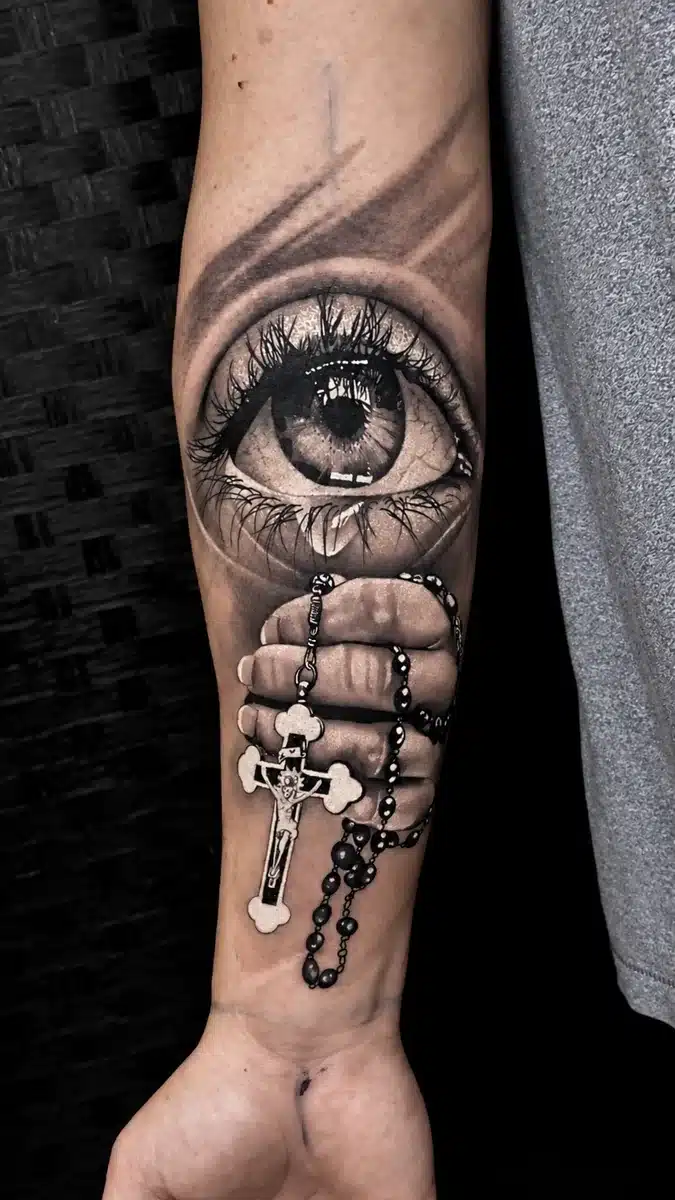
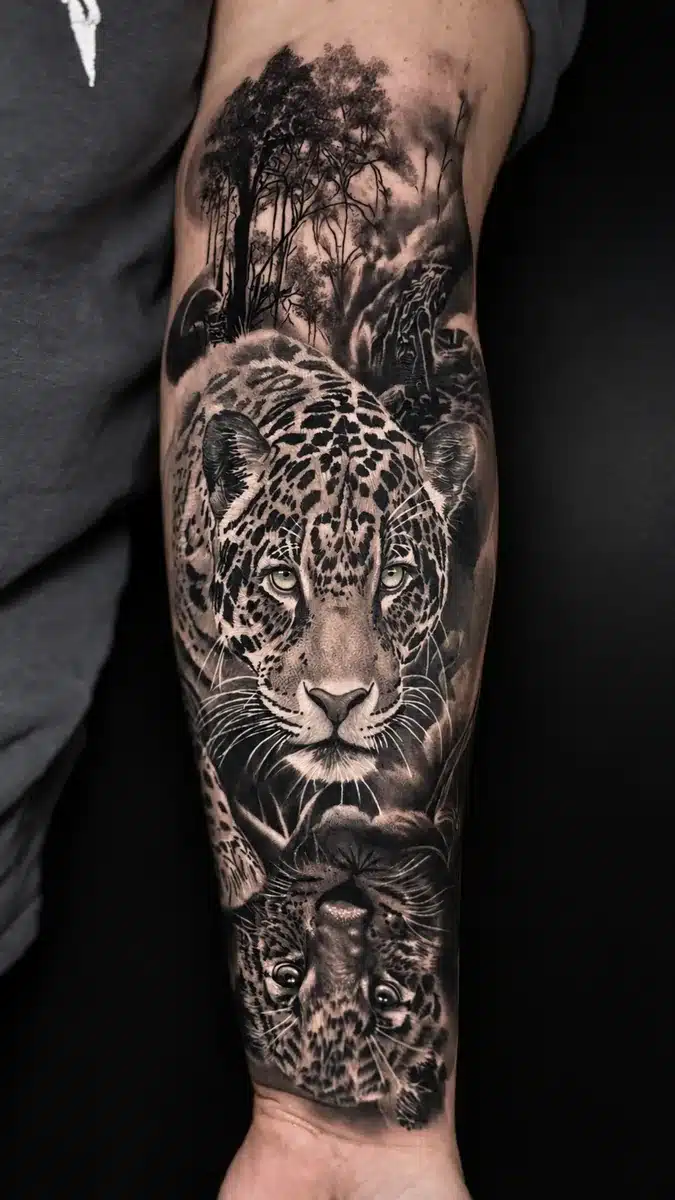
In my experience, a tattoo is rarely the problem. Instead, the quality and the content of the tattoo matter more. A beautiful black and grey realism piece usually reads as art. People ask about it. They compliment it. In contrast, a rushed or offensive tattoo can create the wrong impression in any setting.
So when you think about visible tattoos at work, think less about “tattoo or no tattoo” and more about “what kind of tattoo, and where.”
What your work may expect about tattoos
Every workplace is different. Some industries are very relaxed. Others have strict uniform or appearance rules, especially in roles that deal with the public, safety or certain corporate clients.
In Australia, employers can often set reasonable dress and appearance standards for their staff. The details depend on your role, your contract and the policy itself. This law firm article explains the topic well: can an employer ban tattoos in the workplace. Of course, I am a tattoo artist, not a lawyer. So if your situation is complex, get proper advice.
The simplest step is often the best one. Read your workplace policy, or ask HR a general question. Most of the time, the answer is more relaxed than you fear.
Placement: your best tool for visible tattoos at work
Placement gives you control. Even if you love the idea of visible tattoos at work, you can choose spots that you can show or cover depending on the day.
Here is how I think about common placements:
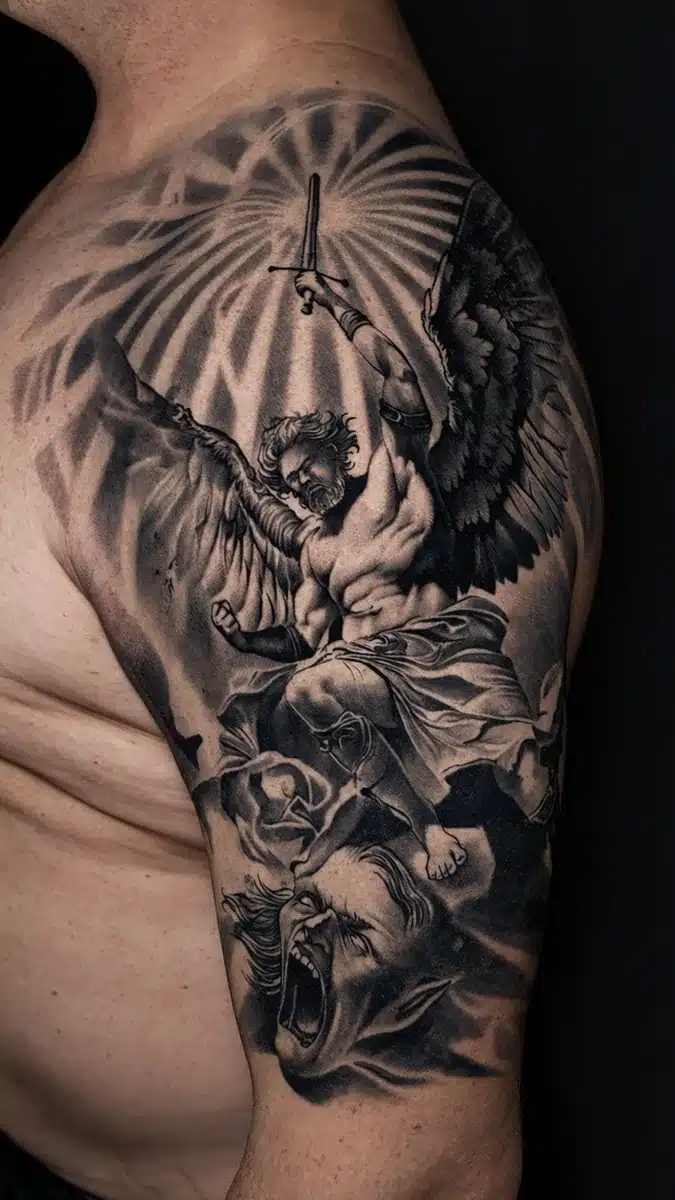
- Upper arm and shoulder. Easy to cover with a T-shirt. Great space for realism.
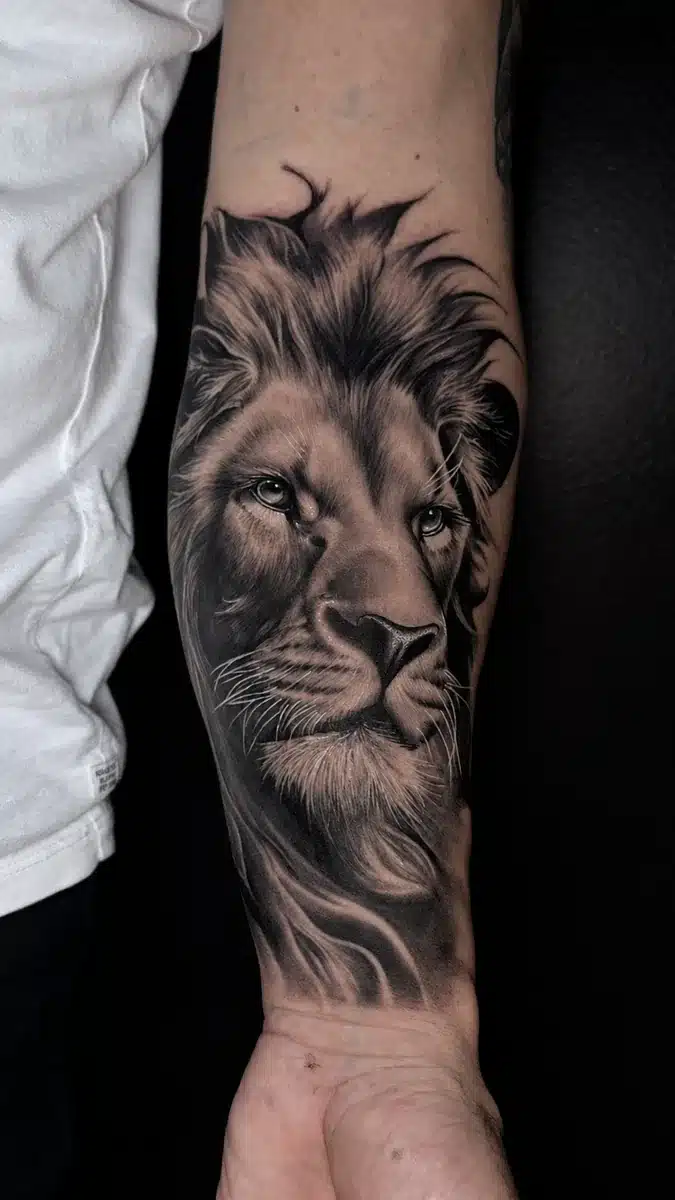
- Forearm. Visible with short sleeves, hidden with a long sleeve shirt.
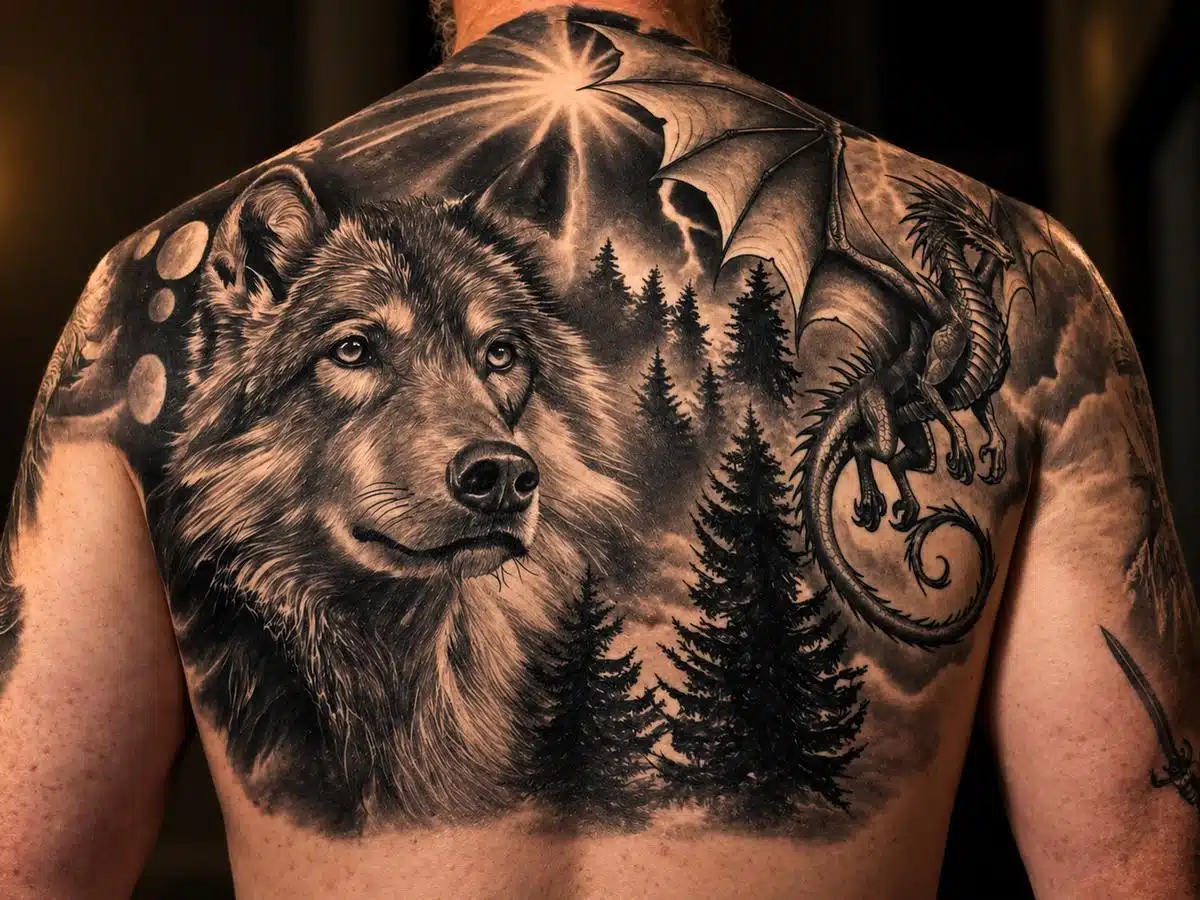
- Back and chest. Almost always covered at work, perfect for big projects.
- Calf and thigh. Covered by pants, visible in shorts.
- Hands, neck and face. Very visible and hard to cover. I recommend thinking about these carefully.
If you are not sure, start with a placement you can cover. Later, once you feel confident, you can expand. Many sleeves start on the upper arm and slowly grow down the forearm.
Industries and visible tattoos at work
Some jobs are naturally more open to tattoos. Creative fields, hospitality, fitness, trades and many small businesses often welcome them. In these places, a great tattoo can even become part of your personal style.
Other roles can be more conservative. For example, some corporate client-facing jobs, uniformed services or roles with strict safety rules may have clearer appearance standards. That does not always mean “no tattoos.” Often, it simply means “keep them covered during certain tasks.”
So think about where you are now and where you want to go. If you plan to move into a more conservative field, choose placements you can cover. If you already work somewhere relaxed, you may have more freedom. Either way, visible tattoos at work are a personal decision that should match your path, not someone else’s opinion.
Covering a tattoo when you need to
Even if you love your tattoo, some days you may want to cover it. A job interview, a formal event or a meeting with a new client might be one of those days. That is completely fine.
Long sleeves, a light jacket or smart pants cover most arm and leg pieces. For this reason, I often suggest clients think about a “cover line” during planning. That is the point where a shirt sleeve or pant leg ends. When the design respects that line, you keep full control over who sees your art and when.
Covering a tattoo is not hiding who you are. It is simply choosing the right moment to share it.
The emotional side of showing your tattoo
There is something people rarely talk about. After a big tattoo, the first day back at work can feel strange. You might feel shy. You might keep checking your sleeve. Then, slowly, it becomes part of you.
Many clients tell me the same thing. At first, they worried. After a few weeks, people at work started asking questions. “What does it mean?” “Who is that?” Suddenly, the tattoo became a way to share their story. A memorial piece became a way to talk about a parent. A lion became a symbol of a hard year they survived.
In other words, visible tattoos at work can create connection, not only judgment. When the design means something real, people feel it.
Quality matters more for visible tattoos
If a tattoo will be visible every day, quality matters even more. People will see it in meetings, in photos and in daylight. So choose work you are proud to show.
In black and grey realism, that means strong contrast, smooth shading and a design that fits your body. It also means thinking about how the tattoo will age, because you will wear it at work for many years. If you want to understand this better, read my article on why some tattoos fade more than others.
Questions to ask yourself before you decide
Before you commit, try answering these questions honestly:
- Where do I see my career in five or ten years?
- Do I want to show this tattoo every day, or only sometimes?
- How would I feel if a client asked me about it?
- Does the design reflect who I am, or only a trend?
- Am I choosing the right artist for visible work?
If your answers feel calm and clear, you are probably ready. On the other hand, if they make you anxious, give yourself more time. There is no rush. For more guidance, read my 10 things to know before getting a tattoo.
My own experience with visible tattoos
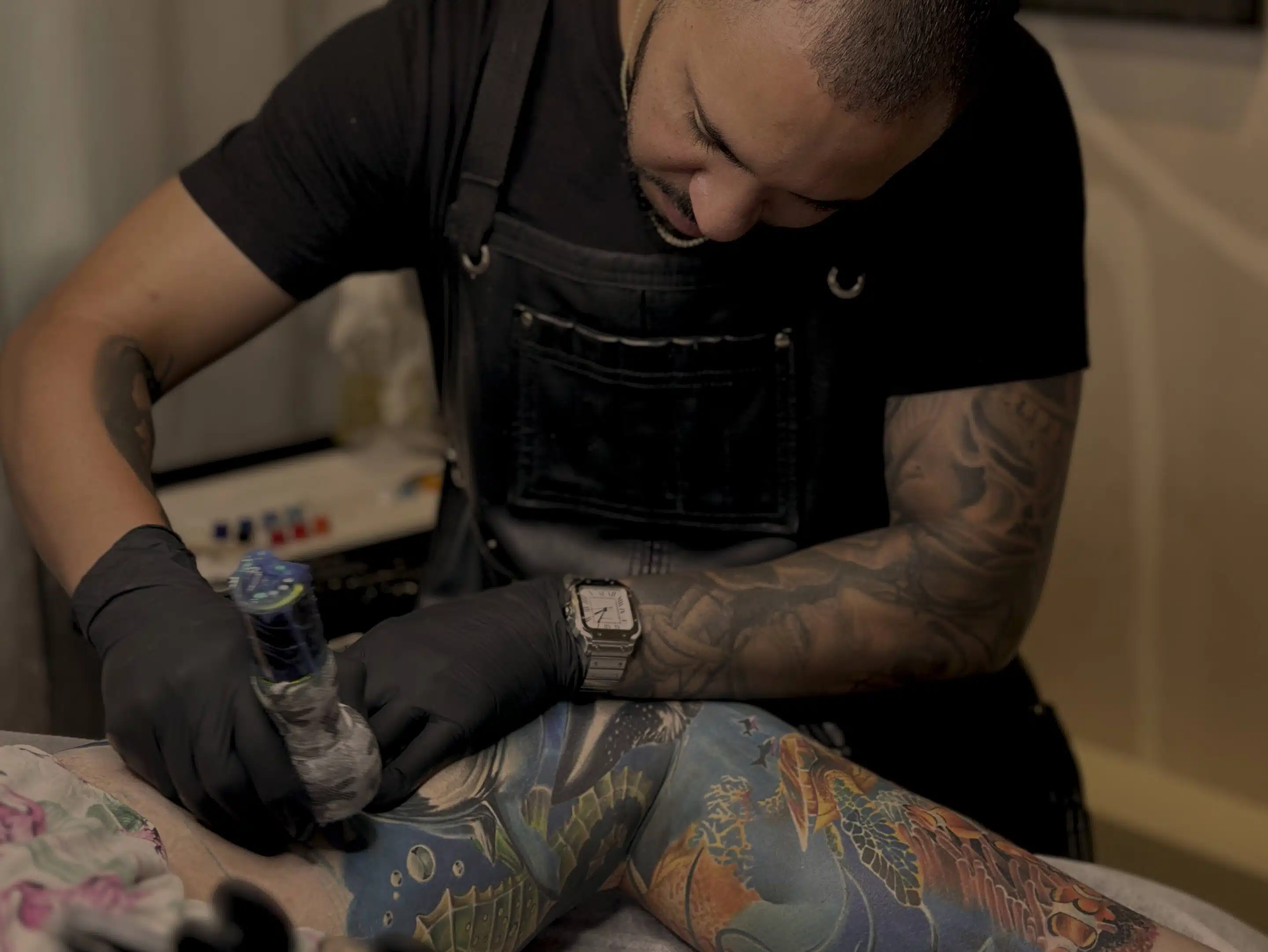
I have visible tattoos. You can see them on my arms in almost every photo. Over the years, I have met clients, business owners and people from very different backgrounds. In most cases, the tattoos opened conversations instead of closing doors.
Of course, I work in a creative industry, and every job is different. Still, I believe this: when you wear your art with confidence and respect, most people respond with curiosity, not judgment.
FAQ about visible tattoos at work
It depends on your industry, role and employer policy. Many workplaces accept tattoos today, but some still have appearance rules. Check your policy if you are unsure.
The upper arm, shoulder, back and thigh are easy to cover. They also offer great space for realism.
You do not always need to. However, if your role has a clear appearance policy, it can help to check first.
Quality work usually reads as art. Clean contrast, smooth shading and a meaningful design create a much better impression than a rushed tattoo.
Wear your story with confidence
Visible tattoos at work are no longer the big taboo they once were. Still, they deserve a thoughtful decision. Think about your career, choose smart placement, and invest in quality you will be proud to show every day.
If you want inspiration for pieces that look strong on the forearm or upper arm, take a look at my lion tattoos. Bookings are closed right now, but the VIP List hears first when new dates open. And tell me in the comments: what does your workplace think about tattoos?
Washington